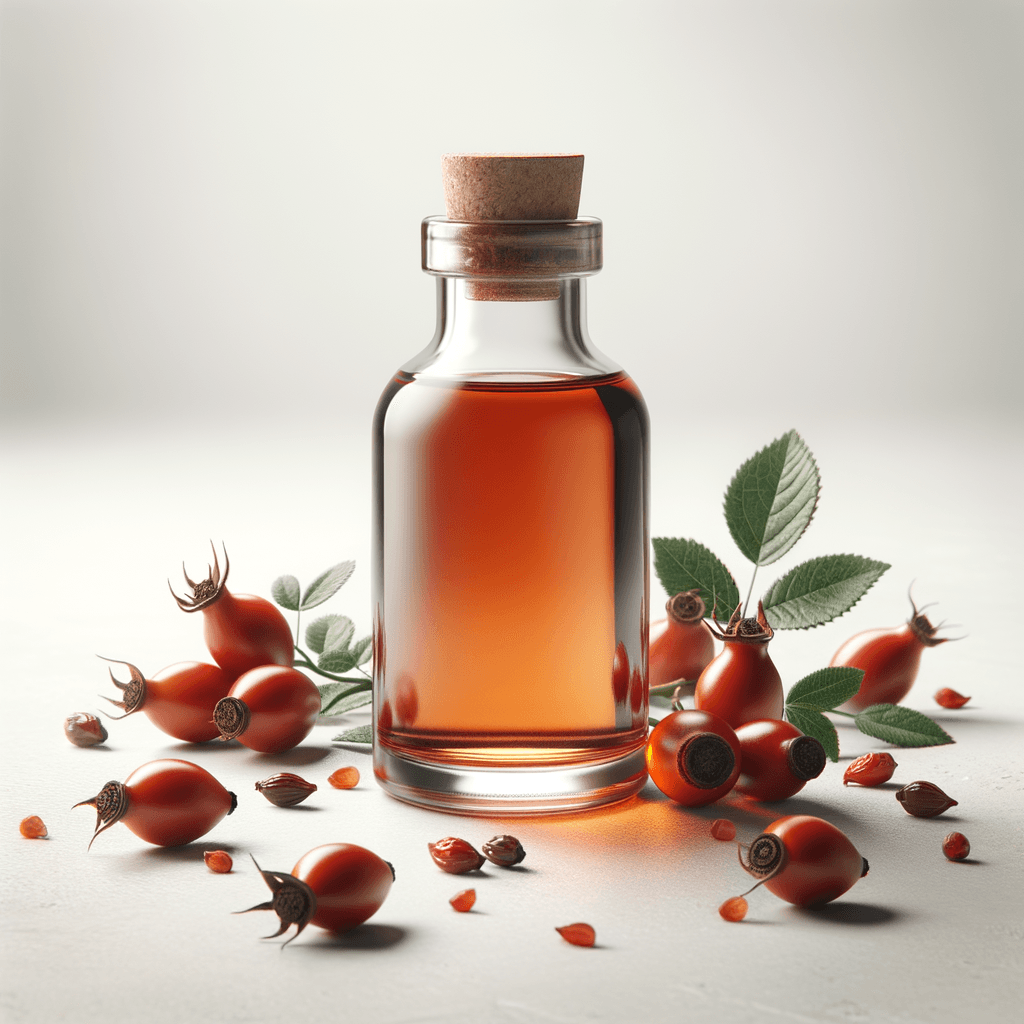
Sea-Buckthorn Pulp Oil (Omega-7 ≥25%)
Hippophae rhamnoides
Cold-pressed pulp (mesocarp) oil from Romanian Carpathian sea-buckthorn berries. Palmitoleic acid (Omega-7) typically 25–35% by GC-MS — one of the highest commercial Omega-7 sources available at industrial volume. Deep red-orange colour from naturally occurring carotenoids (β-carotene, zeaxanthin). Spec sheet per batch covers full fatty-acid GC-MS profile, peroxide value (<10 meq O₂/kg at dispatch), acid value, heavy metals against EU Reg. 2023/915, pesticide residue panel, and EU-Organic operator certificate identifier under Reg. 2018/848. Recommended packaging: amber glass or HDPE under nitrogen headspace; cold storage. Primary applications: premium natural cosmetics (serums, balms, after-sun), aromatherapy, nutraceutical capsules.
Indicative listing. TANDOR only introduces buyers and producers — final price, MOQ, lead time and certification (incl. EU organic control-body code and Certificate of Analysis) are confirmed by the supplier on request and may vary by lot, season and origin.
Specifications
Botanical profile
Sea buckthorn pulp (fruit) oil comes from the berry flesh and is orange-red because of its carotenoids; it is a different product from sea buckthorn seed oil. It is known for palmitoleic acid (omega-7). Buyers check the fatty-acid profile, carotenoid content, peroxide and acid values of the lot.
- Botanical family
- Elaeagnaceae
- Plant part
- Fruit pulp (oil)
- Forms usually traded
- cold-pressed oil
- Typical uses
- cosmetics, food supplements
The form, cut and specification of an actual lot are confirmed in the supplier's written offer.
What to ask for with an offer
- Certificate of Analysis (COA) for the offered lot
- Organic certificate under Regulation (EU) 2018/848 and the control-body code
- Technical specification and shelf life
- Pesticide-residue results (Regulation (EC) No 396/2005)